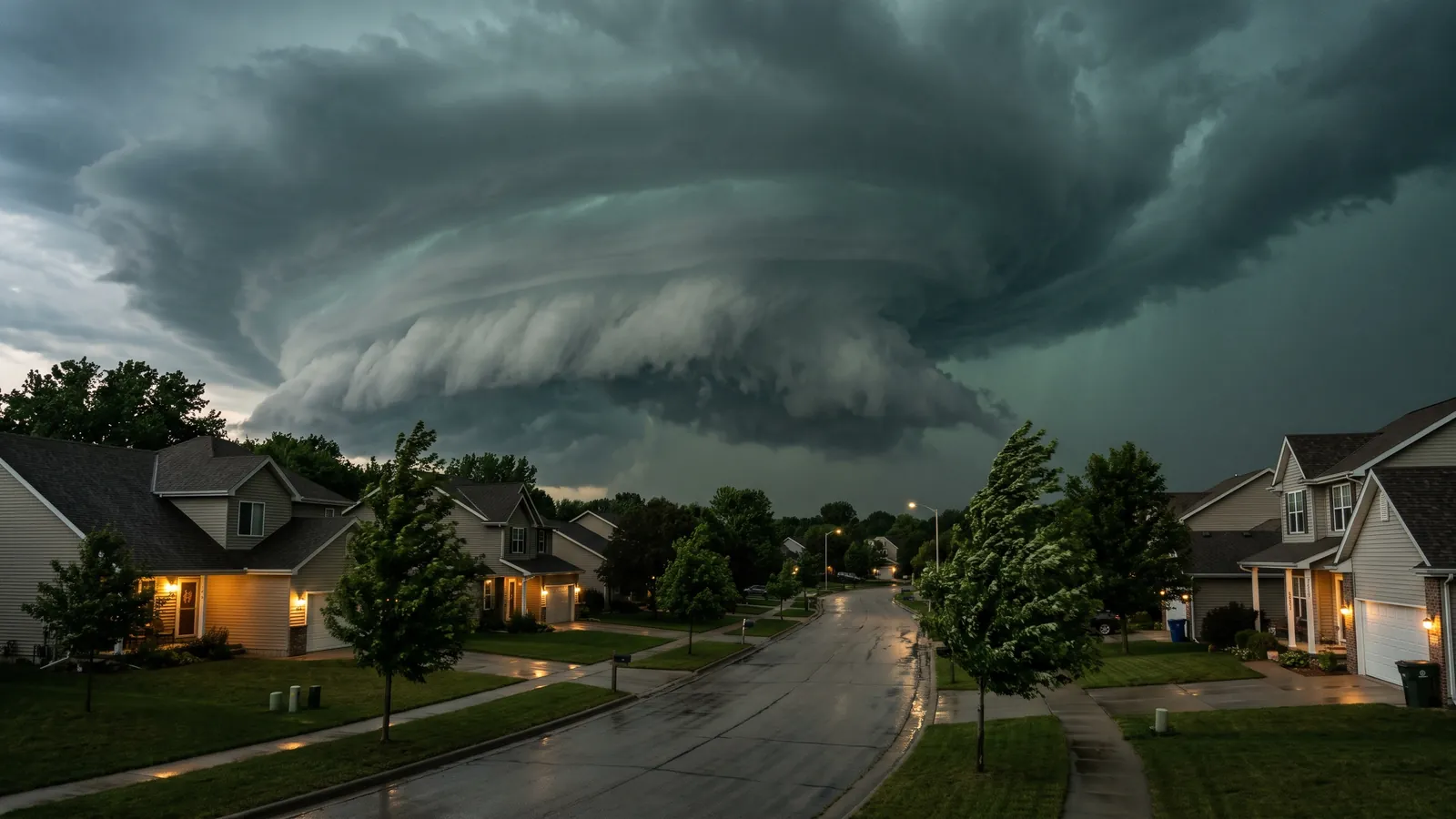
Roofs for every kind of Des Moines house, from 1910 foursquares to last year's two-story
A city that grew from the river outward has a little of everything on its streets. Each era of house has its own roof quirks, and we know where to look on each one.
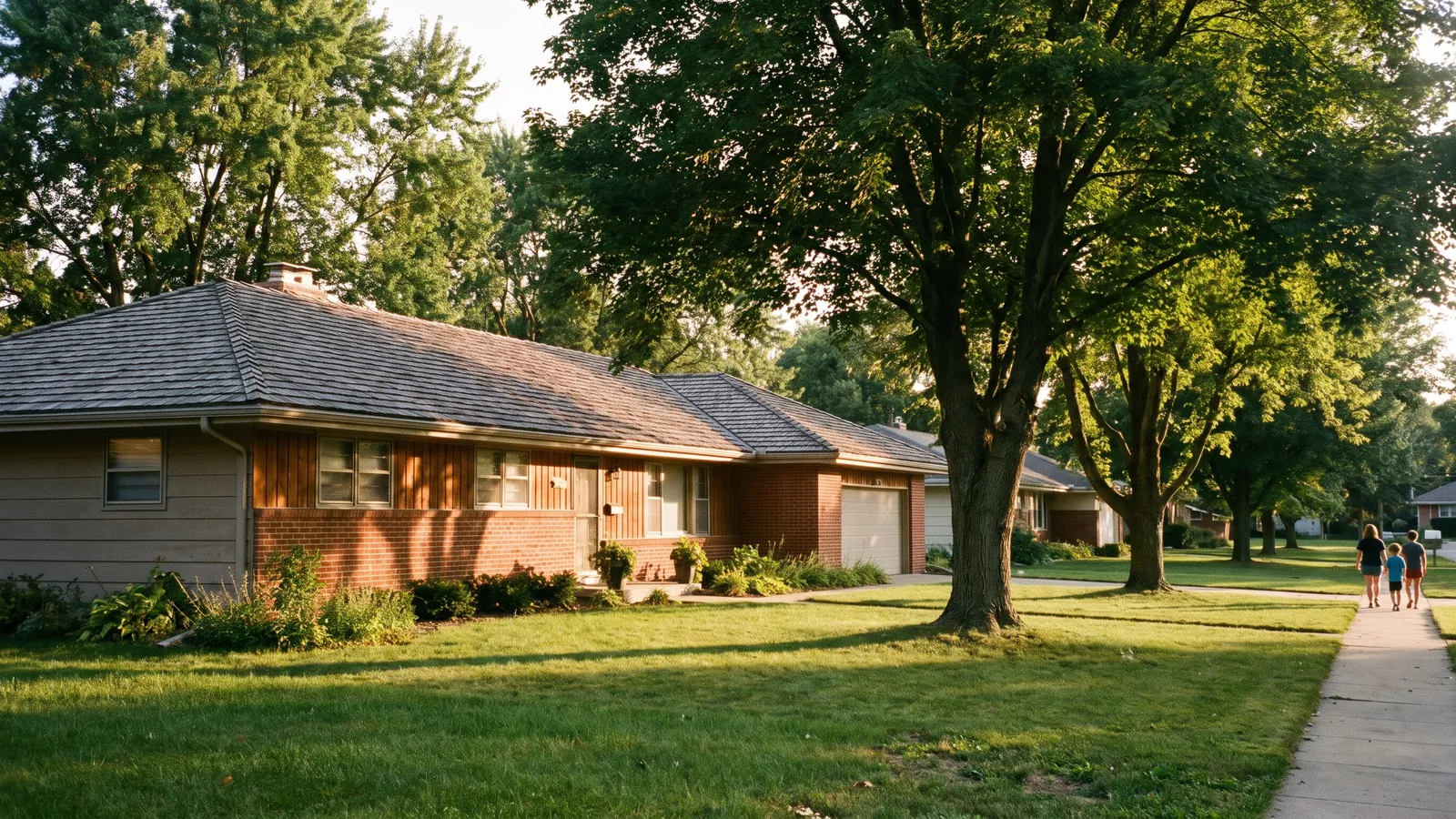
Ask a roofer who works all over the metro and they'll tell you the house tells you the problems before you climb the ladder.
| House | Where you'll find it | What we watch for |
|---|---|---|
| Foursquares and Victorians | Sherman Hill, Drake, the older east side, Indianola | Steep pitches, box gutters, brick chimneys with tired flashing, and sometimes plank decking under several old roofs |
| Post-war brick story-and-a-half | Beaverdale and the north side | Dormers with step flashing that leaks at the walls, thin attic ventilation, and knee-wall attics that trap heat |
| 1950s–70s ranches and split-levels | Urbandale, Windsor Heights, the south side, Altoona | Low slopes that hold water, long eaves prone to ice dams, and attics that were never vented properly |
| 1990s–2020s two-story homes | West Des Moines, Ankeny, Waukee, Johnston, Grimes | Cut-up rooflines with many valleys, builder-grade shingles near the end of their life, and hail on large exposed slopes |
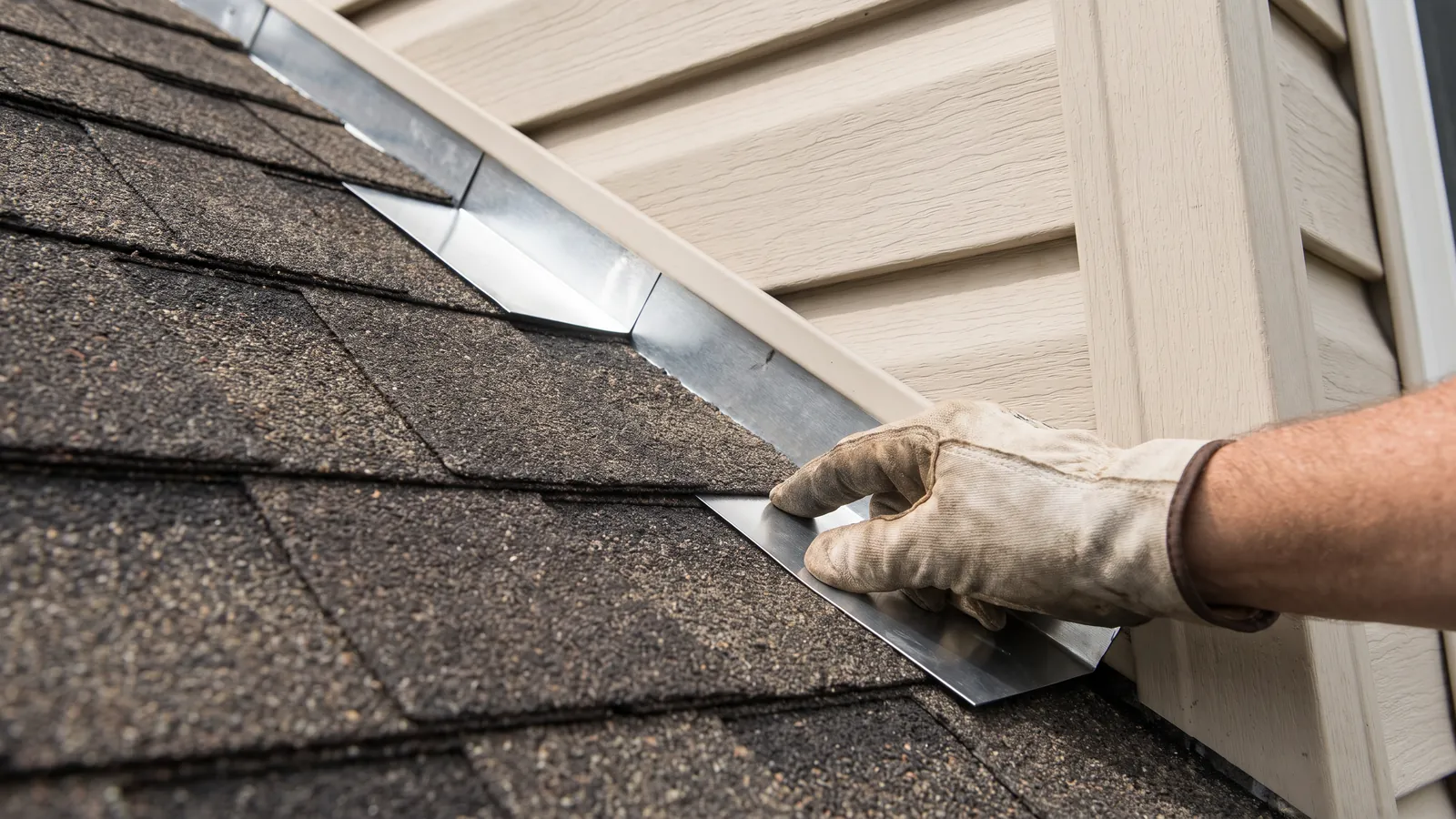
Whatever the house, the parts of a residential roof that fail first are the same: the flashing where the roof meets a wall or chimney, the valleys that carry the most water, the vent boots that crack in the sun, and the eaves where ice builds every winter. A good roof gets those details right, and they're where we spend the most time on every job.
Upgrades worth asking about
- Impact-rated shingles on homes that have been hit by hail before. Ask your insurance agent whether they discount for them.
- Balanced ventilation on older homes that have never had it, which cuts ice dams and summer attic heat.
- Seamless gutters sized up to six inches on two-story homes with big upper slopes.
- Metal on porches and low pitches where shingles don't belong.
Typical residential prices
| Work | Typical range | What moves it |
|---|---|---|
| Repair on a one-story home | $250 – $900 | Size of the area, flashing involved |
| Replacement, ranch around 1,500 sq ft | $10,000 – $15,000 | Pitch, decking, ventilation |
| Replacement, two-story around 2,400 sq ft | $14,000 – $22,000 | Valleys, walls, height |
| Low-slope porch converted to membrane or metal | $1,200 – $3,500 | Size, material |
| Attic ventilation brought up to balance | $400 – $1,200 | Soffits, attic size |
Ranges are typical for Des Moines-area homes in 2026 and are here to help you plan. Your real price comes after the free inspection, written down, before any work starts.
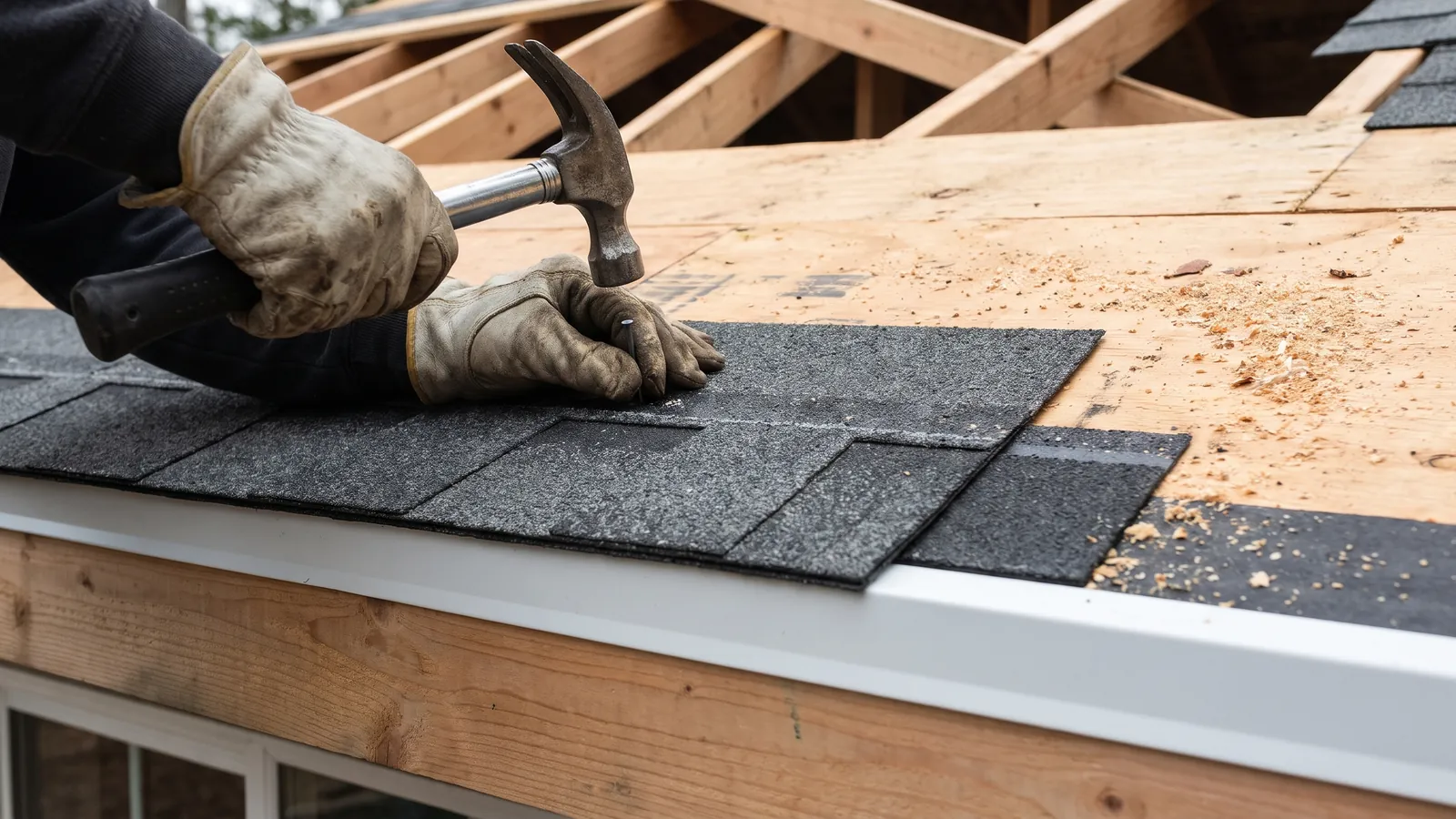
On the roof
Questions about residential roofing
My house has two layers of shingles. Is that a problem?
It's allowed in some cases, but it adds weight and hides the deck. We remove all layers on a replacement and replace any decking that's soft.
Do older homes need special shingles?
Not usually, but steep Victorian roofs and plank decking need extra care, and some owners prefer a profile that suits the house. We'll show you options.
Can you fix my box gutters?
Yes. Built-in gutters on older homes can be relined or, with your OK, replaced with hung gutters.
How much does a new roof add to a home's value?
That depends on the market, but a roof near the end of its life is one of the first things a buyer's inspector flags. A new roof removes the question.
Do you work with HOAs?
Yes. Many suburban associations approve shingle colors and styles. Give us the guidelines and we'll quote products that meet them.
Is a new roof noisy for the neighbors?
For a day or two. We start at a reasonable hour and keep the street clear of debris.